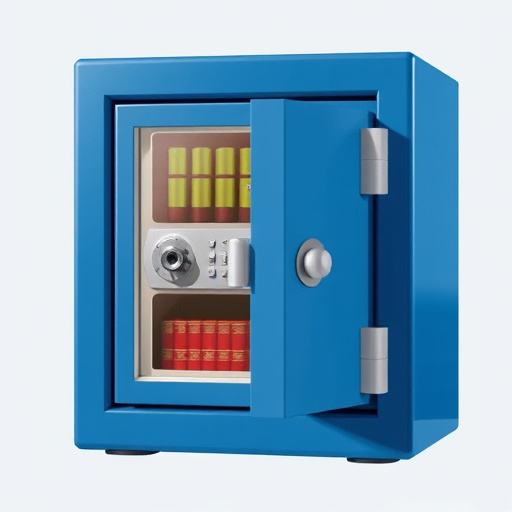
Use everyday household items like books, decorative pots, and antique vases to create secret compartments for hiding valuables. Choose discreet locations, integrate physical barriers, and consider mechanical locks or smart home tech for enhanced security. Store essential documents, jewelry, and electronics in versatile items like pens and first aid kits for added discretion. Repurposing common objects offers creative solutions for privacy and security without specialized equipment.
“Uncover the art of securing your valuables with everyday household items—creating hidden safes for maximum privacy. This comprehensive guide explores innovative ways to transform common objects into secure hiding spots, ensuring your belongings remain out of sight and reach. From strategic placement techniques to robust security measures, we’ll show you how to build a secret compartment that only you know about. Discover the potential of everyday items as game-changers in privacy and protection.”
- Choosing the Right Household Item for Your Secret Compartment
- Discreetly Hiding Your Safe: Creative Placement Techniques
- Locking Down Your Secret Space: Best Security Measures
- Protecting Your Belongings: What to Keep in Your Hidden Compartments
- Unlocking the Potential: Using Everyday Items for Privacy
Choosing the Right Household Item for Your Secret Compartment
When it comes to creating a secure hiding spot using everyday items, the key is to select something subtle yet functional. Everyday household items can be transformed into clever secret compartments, offering a creative way to keep your valuables hidden. Consider common objects like books, plants, or even kitchenware. For instance, a hollowed-out book can provide a discreet space to store small items, while a decorative pot with a false bottom could be the perfect hiding place for something more substantial.
The ideal choice will depend on what you plan to conceal and where in your home you wish to hide it. Think about factors like size, weight, and ease of access when selecting your secret compartment. An item that blends seamlessly into its surroundings is less likely to raise suspicion, ensuring your hidden treasure remains safe from prying eyes.
Discreetly Hiding Your Safe: Creative Placement Techniques
When securing a hiding spot for your everyday item safe, creativity in placement is key. Think outside the box—literally! Hide your safe within seemingly innocuous household items that blend in with your surroundings. For instance, an antique book with a hollowed-out compartment can be an excellent choice, allowing you to conceal valuables or sensitive documents between its pages. Similarly, a decorative vase might have a secret compartment designed for smaller safes, offering both aesthetic appeal and secrecy.
Consider using everyday items like pots and pans, where a false bottom could create a hidden space. Even kitchen utensils can be repurposed; a wooden spoon with a hollow handle or a decorative stoneware jar with a secret locking mechanism can serve as clever hiding spots. The idea is to integrate the safe into your home’s décor while ensuring only you know its true purpose.
Locking Down Your Secret Space: Best Security Measures
Securing your secret compartment with everyday household items is an innovative way to create a hidden safe space. Start by choosing a location that’s both discreet and secure, like inside a bookcase or under a rug. Use items like heavy books or decorative stones to block access points and create physical barriers.
For added security, consider employing mechanical locks or even clever mechanisms using string and weights. Alternatively, for a high-tech approach, incorporate smart home devices like motion sensors or app-controlled locks. Remember, the best security measures combine physical obstructions with technological advancements to keep your secret compartment safe from prying eyes.
Protecting Your Belongings: What to Keep in Your Hidden Compartments
When crafting hidden compartments within everyday household items, consider what truly matters to secure. Personal documents like passports, birth certificates, and insurance policies should be stashed away for safety. Similarly, valuable jewelry or small electronics can find a safe haven in these secret compartments. Pens, notebooks, and even small first aid kits are versatile choices; they blend seamlessly into daily routines while offering unexpected protection.
Remember, the key is to choose items that aren’t readily suspected as hiding places. For instance, an old-fashioned pencil case or a seemingly ordinary book can hold far more than meets the eye. By incorporating these clever solutions, you’re not just securing your belongings; you’re adding layers of discretion and peace of mind.
Unlocking the Potential: Using Everyday Items for Privacy
Unlocking the potential for secure hiding spots lies within the very items we use daily. Householders often overlook the secret compartments that can be carved out of everyday household objects. From a hidden stash in an antique vase to a discreet drawer within a bookshelf, these seemingly ordinary items have the power to offer much-needed privacy and security. By thinking outside the box and repurposing familiar objects, individuals can create safe havens for sensitive items, ensuring their confidentiality remains intact.
Securing a secret compartment within everyday household items is an innovative way to protect your belongings and maintain privacy. By choosing the right item, hiding it discreetly, and employing robust security measures, you can create a hidden safe that remains undiscovered. Remember, the key to successful secrecy lies in both creativity and thoroughness, ensuring your valuable items remain safe from prying eyes.